
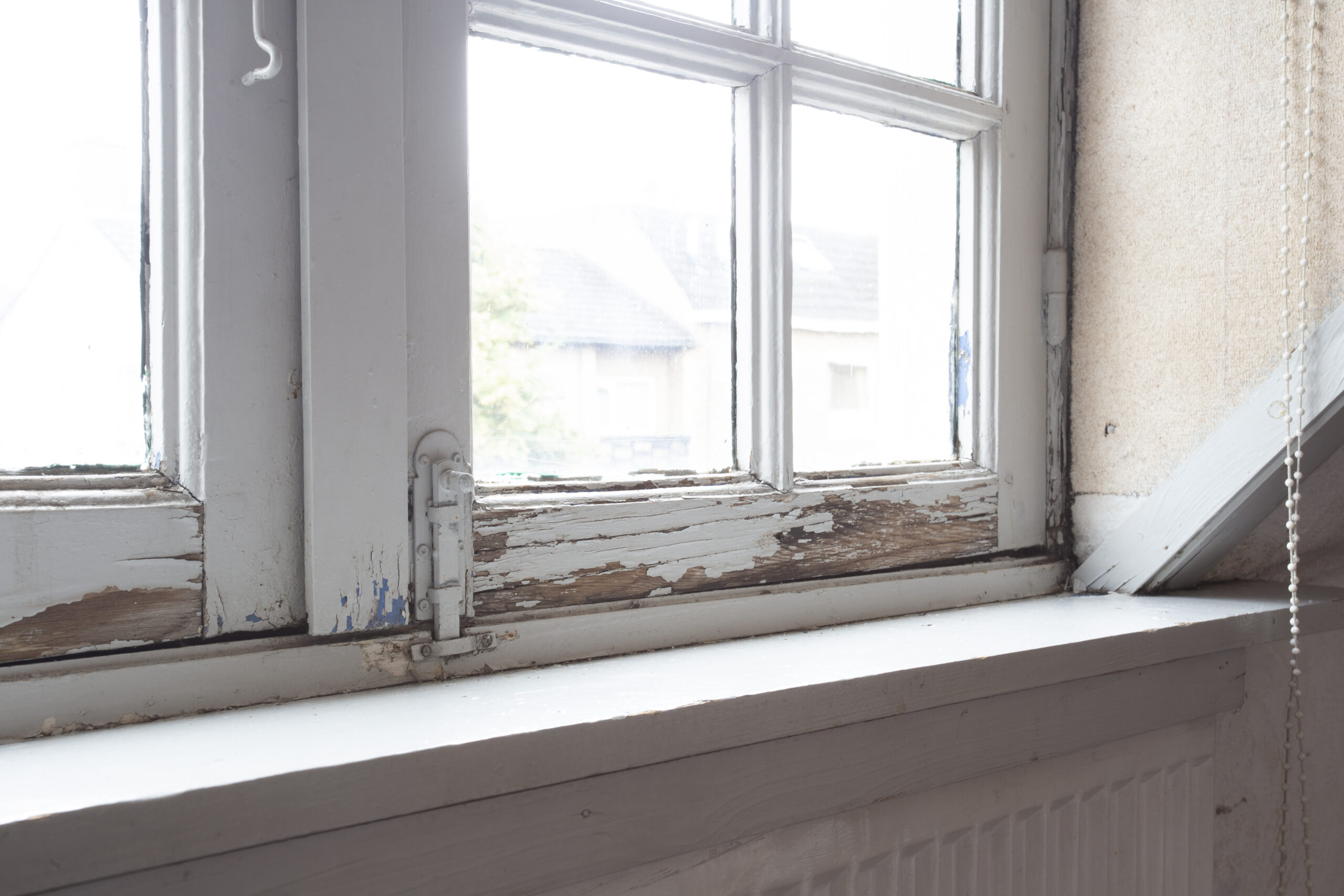
Wisconsin winters don’t leave much room for error when it comes to your windows. Once the cold sets in, a window that isn’t doing its job doesn’t just make a room uncomfortable. It drives up your heating bill every day until spring. September is a good time to take a closer look, while there’s still time to schedule a replacement before winter arrives.
Here’s what to watch for, and what to consider if it’s time for new windows.
Signs Your Windows Are Underperforming
A drafty feeling near a closed window is one of the easiest signs to catch, but it’s not the only one. Watch for:
- Condensation or fog trapped between the panes, which usually means the seal has failed and the insulating gas inside has escaped.
- Windows that stick, won’t stay open on their own, or are hard to lock often point to a frame that’s warped or worn.
- Visible cracking, rot, or peeling around the frame is worth a closer look too, and so is a room that’s noticeably harder to heat than the rest of the house.
Any one of these on its own might just need a repair. A few of them together usually mean it’s time to think about replacement.
What to Consider Before You Replace
Not all windows perform the same in a Wisconsin winter, and the details matter more here than in a milder climate. Look for windows with strong energy efficiency ratings, including Low-E glass and insulated gas fills, since those features do the real work of keeping cold air out and heat in. Frame material matters too. Vinyl, aluminum, fiberglass, and wood clad frames each come with different tradeoffs in durability, maintenance, and cost, and a good contractor should walk you through the honest differences rather than push whatever is easiest to sell.
The brand matters, but so does the installer. We work with a range of trusted manufacturers, including Andersen, Marvin, Pella, ProVia, and Alliance Window System, and even the best window on the market underperforms if it isn’t installed correctly. A properly installed window is sealed, squared, and insulated the way the manufacturer intended, and that’s what actually determines how it performs once the temperature drops.
Why Fall Is the Right Time to Start
Window replacement takes some lead time between measuring, ordering, and installation, and that timeline only gets tighter as the weather turns. Starting the process now means your new windows are in place and sealed up well before the first hard freeze, instead of trying to schedule a project in the middle of a Wisconsin winter.
At Wolf Exteriors, we’ve been helping Lake Country homeowners make these decisions since 1975. We’ll give you an honest look at whether your windows need attention, and straightforward guidance on what fits your home, your budget, and your timeline. No pressure, no upsell.
Ready to see how your windows are holding up? Schedule a free estimate with Wolf Exteriors before winter settles in.
Frequently Asked Questions
continue reading
Related Posts
-
Wisconsin winters don't leave much room for error when it comes to your windows. Once the cold sets
Siding is one of those home improvement decisions that's easy to underestimate. It's not just about
Summer in Wisconsin brings its own set of challenges for your roof. Between spring storms, intense